The craft brewing industry has seen significant growth over the past decade, with the number of breweries in the U.S. increasing from 1,500 in 2011 to over 8,000 in 2020 according to the Brewers Association. However, along with this growth comes the challenge of managing operating costs effectively. Craft brewery owners often encounter pain points such as inefficient layouts, inadequate workflows, and rising overhead costs. Identifying and rectifying these layout mistakes can lead to smoother operations, reduced costs, and ultimately, improved profitability.
A disorganized workflow can lead to wasted time and effort, significantly inflating operational costs. According to a report by the Brewers Association, breweries that implement a streamlined workflow can reduce labor costs by up to 30%. Proper layout planning ensures that processes such as brewing, fermentation, and packaging flow seamlessly. Tools like brewery design software can help visualize and optimize these workflows.
Underestimating the space needed for brewing equipment, storage, and customer areas can lead to overcrowding and inefficiency. Breweries often fail to account for future expansion, which can lead to additional costs later on. A well-planned brewery layout should allocate at least 20% of the total space for growth, as highlighted by industry leaders at YME Equipment.
Misplacing brewing equipment can lead to increased transit time between operations. For instance, placing fermenters too far from the brewhouse can cost valuable labor hours. According to a study by the American Society of Brewing Chemists, companies that optimize their equipment layout have reported a 25% increase in production efficiency.
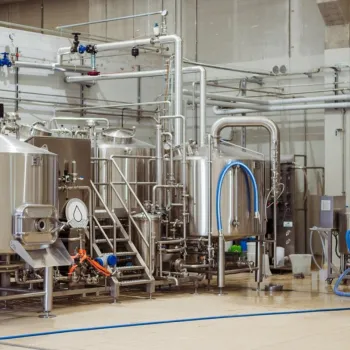
Not ensuring sufficient storage for ingredients, finished products, and packaging can unexpectedly increase costs associated with re-stocking and wasted materials. Industry best practices suggest allocating up to 30% of brewery space for storage in order to accommodate inventory effectively.
The layout of a brewery not only impacts operations but also the customer experience. Establishments that prioritize customer flow and comfort have seen a 15% increase in sales according to industry analyses. A welcoming layout encourages longer stays and repeat visits.
Layout designs that are rigid can hinder growth and adaptation to market changes. Breweries need spaces that allow for changes in production methods or product lines without requiring a complete overhaul. A flexible design can save companies 10-15% in renovation costs down the line, as per research from the Brewing Innovation Network.
Utilizing technology such as automated brewing systems and inventory management software can enhance operational efficiency. Breweries that integrate these technologies have reported reductions in labor costs by up to 20%, making it an essential consideration for layout planning.
When selecting equipment, consider the size of your brewery, production goals, and budget. YME offers a range of brewing equipment specifically designed for efficiency and adaptability, with prices varying based on capacity and features. Customer reviews highlight YME’s focused approach on both functionality and cost-effectiveness.
To minimize operational costs in brewing, addressing layout mistakes is critical. For expert design solutions and high-quality equipment, contact YME Equipment for a personalized consultation.
Common mistakes include poorly designed workflows, inadequate space planning, and inefficient equipment placement.
Utilize brewery design software, consider customer experience, and plan for growth and flexibility.
Modular systems are flexible, allowing breweries to scale operations efficiently without significant restructuring costs.