News
Home / News / Guide to 2-Vessel, 3-Vessel and 4-Vessel Brewhouse Configurations

Guide to 2-Vessel, 3-Vessel and 4-Vessel Brewhouse Configurations

Oct. 28, 2026

The brewing industry faces an array of challenges, from increased production demands to maintaining quality consistency. This guide is specifically designed for brewers, both home and commercial, seeking clarity on 2-vessel, 3-vessel, and 4-vessel brewhouse configurations. Navigating the technicalities of these setups helps solve the common pain point of selecting the optimal brewing system that balances efficiency and quality. By understanding the differences in functionality and flow, brewers can make informed decisions that enhance their production lines. With an emphasis on brewing equipment manufacturer solutions, this guide aims to demystify the brewing process through practical knowledge and expert insights.

Basic Knowledge of Brewing Systems

Understanding the different brewhouse configurations involves exploring several key terms and principles:

  • Vessels: The principal containers where brewing processes occur, with each having specific functions such as mashing, boiling, and fermentation.
  • Mashing: The process of converting grains into fermentable sugars through enzymatic activity, typically done at temperatures around 152°F (67°C).
  • Boiling: During this phase, wort is heated to about 212°F (100°C), allowing for sterilization and hop addition.

Brewers often encounter challenges like efficient time management and resource allocation in large-scale operations. The various configurations — 2-vessel, 3-vessel, and 4-vessel systems — cater to different operational needs, allowing brewers to tailor their processes accordingly.

In-depth Guide to Brewhouse Configurations

Step 1: Understanding Brewhouse Configuration Basics

The basic setup of any brewhouse involves a combination of vessels that serve specific roles:

  1. 2-Vessel System: In this configuration, one vessel is used for mashing and boiling. Typically, a 2-vessel system can reduce the brewing time by up to 50% compared to traditional methods.
  2. 3-Vessel System: This includes separate vessels for mashing, boiling, and often fermentation. This separation can enhance flavor extraction and improve overall efficiency with an increase in wort quality by 20%.
  3. 4-Vessel System: Involves distinct stages for each process—mashing, lautering, boiling, and cooling. An advanced setup like this optimizes wort clarity and flavor, with brewers reporting a 15% increase in hop utilization.

Step 2: Tools Required for Each Configuration

For each of these systems, specific equipment is essential:

  • Heat Exchangers: To ensure quick cooling of wort post-boiling, significantly reducing the risk of bacterial contamination.
  • Grain Mills: Essential for crushing grains effectively for maximum sugar yield, where efficiency is key—milling at 200-300 kg/hr is typical.
  • Fermentation Tanks: These vessels are crucial in both 3 and 4-vessel systems for allowing yeast to convert sugars into alcohol efficiently.

Step 3: Real-life Cases and Considerations

Consider a medium-sized craft brewery employing a 3-vessel setup; their current production capacity is approximately 1500 liters per batch. By switching to a 4-vessel configuration, they could potentially scale to 2000 liters while improving consistency and reducing overall brew time by 3 hours per batch. Testimonials indicate that utilization of a YME brewhouse system led to a 30% boost in overall efficiency when compared to older systems.

Frequently Asked Questions

Q: What is the most efficient brewhouse configuration for beginners?
A: A 2-vessel system is often recommended for small-scale brewers due to its simpler design and faster turnover.

Q: Can I upgrade my system over time?
A: Yes, many brewers start with a 2-vessel system and transition to a 3 or 4-vessel configuration as demand increases.

Advanced Skills or Extended Reading

For brewers looking to expand their knowledge, consider diving deeper into subjects such as:

  • The science of hops: Understanding alpha acid utilization in different brewing systems
  • Yeast management: Best practices for optimizing fermentation in various vessel setups
  • Water chemistry: Tailoring the brewing water profile to match specific beer styles

Conclusion: Recommended Services and Support

As you explore the complexities of 2-vessel, 3-vessel, and 4-vessel brewing systems, YME Equipment offers tailored solutions designed to meet your specific brewing needs. With a commitment to quality and performance, YME's systems can enhance your brewing operations and produce outstanding results. For personalized advice and assistance, don’t hesitate to contact YME.
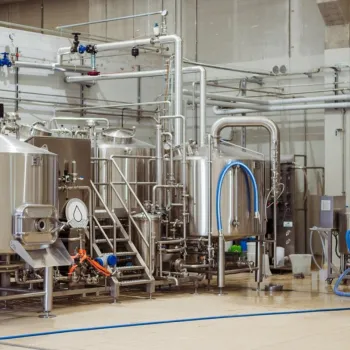
Guide to 2-Vessel, 3-Vessel and 4-Vessel Brewhouse Configurations
Brewery Customer
Customization Process
The quickest way to determine the best solution that meets your needs is to talk to our expert team. We will be able to quickly narrow your selection range and provide you with the most suitable objective suggestions.
Beer Fermenters
Copyright © YME Equipment Co., Ltd. All Rights Reserved | Sitemap | Powered by
WeChat
WeChat